Guide
Monsoon Readiness Checklist for Facility Managers in India
The rains expose every gap in a facility's maintenance plan. Here's how to close them before the first downpour.
· 4 min read
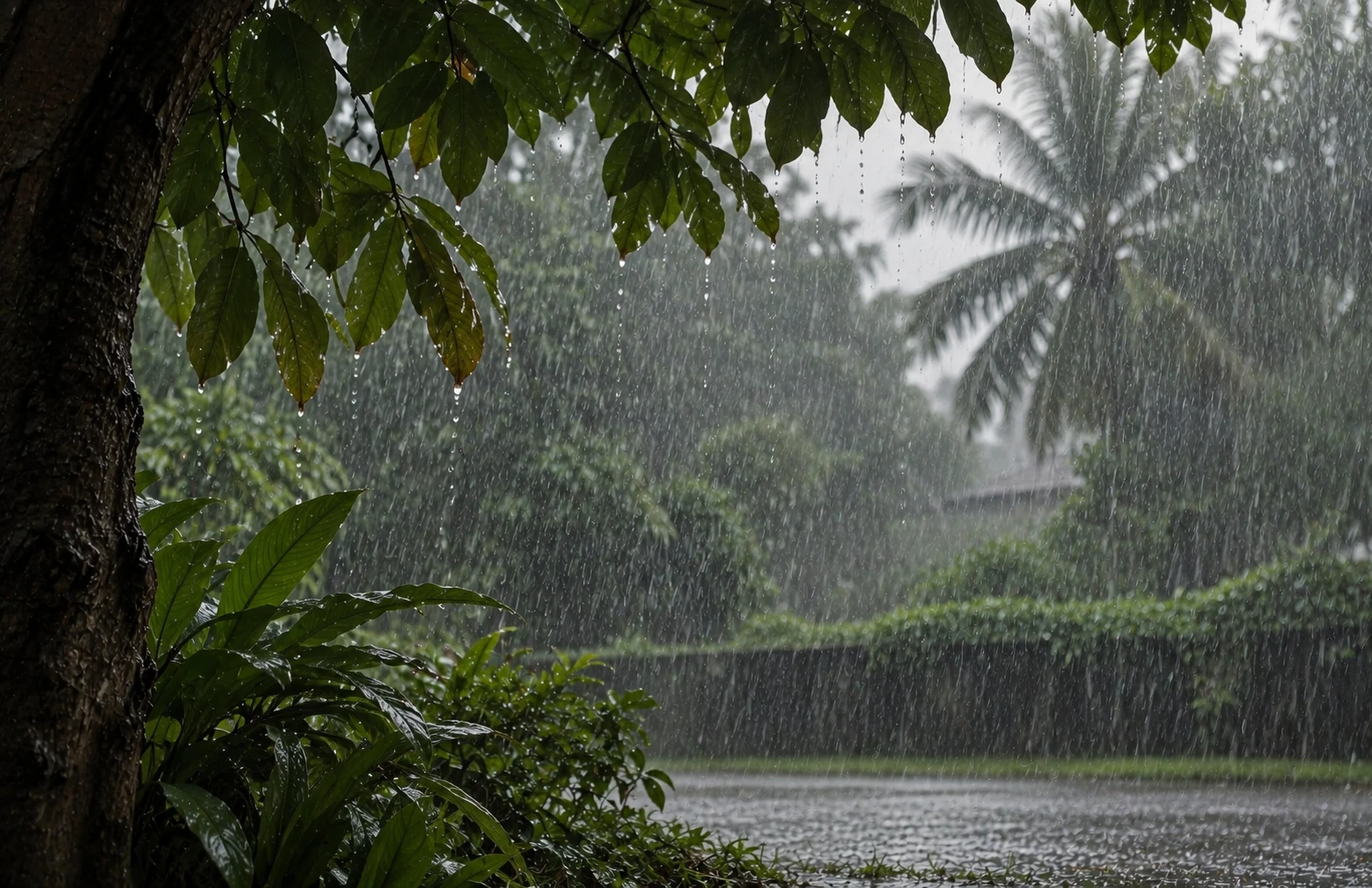
Every year, the same pattern repeats across Indian facilities. The first heavy spell of rain arrives, and within days, maintenance teams are dealing with leaking roofs, flooded basements, tripped electrical circuits, and a spike in complaint tickets. None of this is unpredictable — the monsoon arrives on roughly the same schedule every year. Yet most facilities still treat it as an emergency rather than a planned event.
The difference between a facility that sails through the season and one that scrambles through it usually comes down to one thing: whether preparation started in April or May, not July.
Why Monsoon Prep Gets Skipped
Monsoon readiness rarely fails because facility teams don't know what needs to be done. It fails because the work is spread across too many people, vendors, and paper checklists, with no single owner tracking whether each task actually got closed out.
A terrace waterproofing job gets scheduled but never confirmed as complete. A drainage line gets partially cleared and the rest gets missed. A generator's fuel and battery checks happen, but nobody logs whether the auto-start actually worked. By the time the rain tests all of this at once, it's too late to fix quietly.
The Core Readiness Checklist
1. Roofs, terraces, and waterproofing
Inspect membrane waterproofing on terraces and exposed roofs for cracks or peeling. Clear any debris sitting on drainage outlets before it becomes a dam during the first heavy spell.
2. Stormwater drains and gutters
Silt, leaves, and construction debris are the single biggest cause of monsoon flooding inside buildings. Every drain, gutter, and rainwater pipe should be physically cleared and flow-tested, not just visually checked.
3. Electrical safety
Check exposed wiring, junction boxes, and outdoor panels for weatherproofing. Earthing and RCD/ELCB protection should be tested, not assumed to still be working from last year.
4. Backup power readiness
Generators, UPS systems, and battery backups get tested for load and auto-start failover — this is the equipment that becomes critical the moment the grid goes down in heavy rain.
5. Basements and lower-level parking
Sump pumps and backflow valves need a functional test before the season, not after the first flood. Confirm float switches are triggering pumps correctly.
6. Fire safety systems
Rain increases the odds of electrical short-circuit fires. Fire extinguishers, hydrants, and smoke detectors should be inspected on schedule, with dates logged, not skipped because "it rains, so fire risk feels lower."
7. Structural dampness and seepage
Walk external walls and expansion joints for early seepage signs. Small cracks that seem cosmetic in April often become active leaks by July.
8. Pest control
Stagnant water after rain is the biggest driver of a mid-monsoon pest spike. A pre-monsoon treatment cycle is far cheaper than a reactive one once an infestation starts.
9. Vendor and AMC readiness
Confirm which vendors are on call for waterproofing, electrical, plumbing, and pump repairs before the season starts — not after a leak has already started and every vendor in the city is booked.
10. Staff and occupant communication
Residents, employees, or students should know who to contact and how, the moment they spot a leak, a flooded area, or a power issue. A vague WhatsApp number that no one checks on weekends isn't a communication plan.
Where This Usually Breaks Down
A checklist on paper is only as good as someone's memory to revisit it. Most monsoon failures aren't caused by missing knowledge — they're caused by missing follow-through.
The pattern is consistent across manufacturing plants, hospitals, campuses, and residential societies alike: pre-monsoon tasks get assigned informally, tracked in a spreadsheet or a WhatsApp group, and quietly fall off as the season's urgency fades — until the first real storm exposes exactly which tasks never got closed.
Turning a Seasonal Checklist Into a Repeatable Process
The facilities that handle monsoon well every year aren't doing anything exotic — they're running the same checklist as everyone else, but with visibility into who owns each task, whether it's been completed, and proof that it happened.
This is where a structured, digital approach changes the outcome. Instead of a checklist that lives in someone's inbox, pre-monsoon tasks become scheduled work orders with owners, due dates, and photo verification on completion. Vendor readiness is tracked against actual AMC records instead of memory. When a drain clogs or a pump fails mid-season, the complaint routes instantly to the right team instead of getting lost in a phone call.
Firmity brings preventive maintenance scheduling, vendor and AMC records, asset tracking, and complaint management into one system — so a seasonal checklist like this one isn't just a document that gets forgotten in June. It becomes a tracked, auditable part of how a facility actually runs, every single year.
Talk to our team
Questions about facility management software? Leave your details and we'll get back to you within 24 hours.
More on Guide
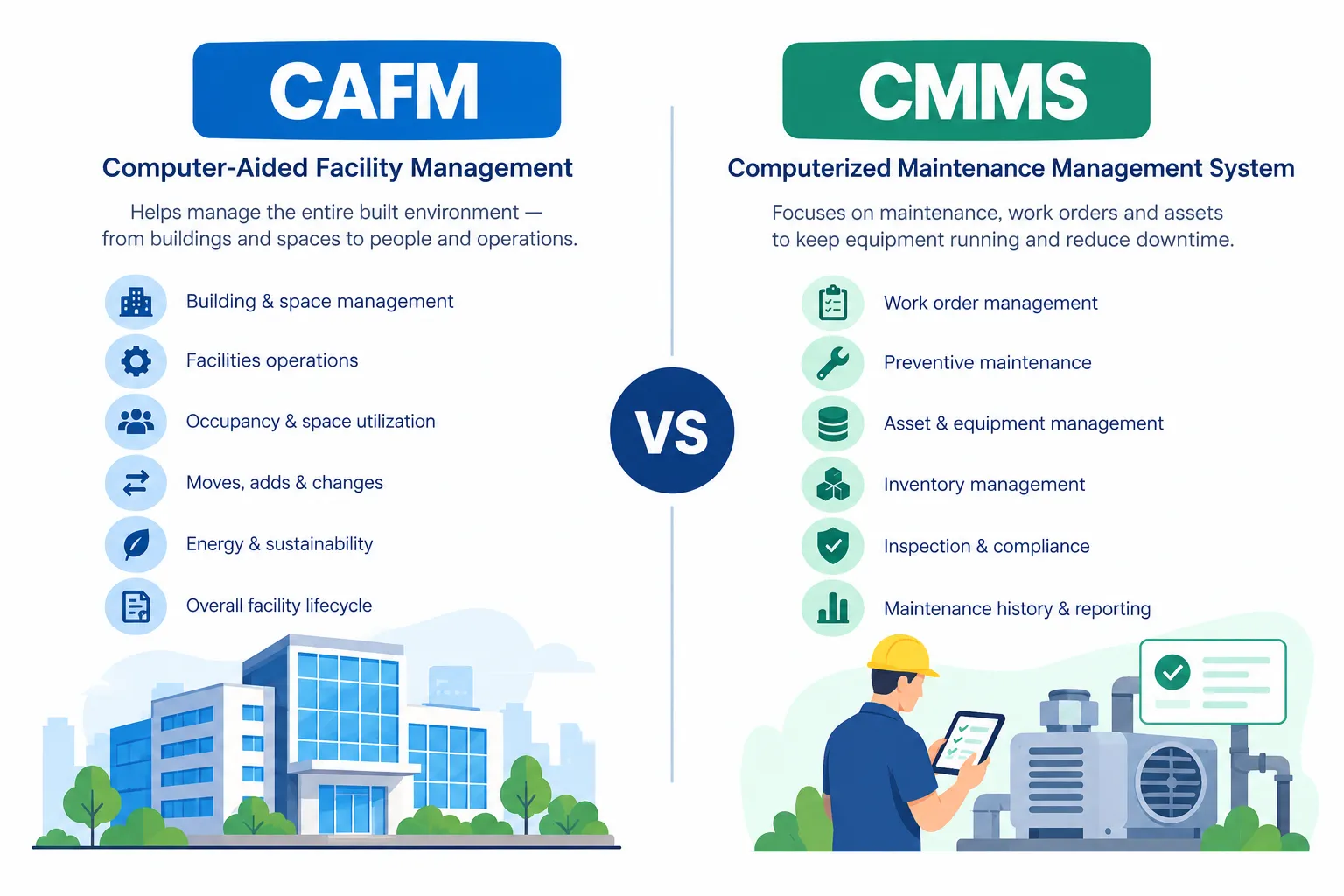
CAFM vs CMMS: What’s the Difference?
CAFM vs CMMS explained: Learn the key differences, features, use cases, benefits, and how to choose the right system for facility and maintenance management.

A New Chapter: Firmity Expands to Hyderabad
Closer Partnerships, Better Service
Predictive Maintenance for Renewable Energy Assets
A Smarter Approach to Maximizing Performance