Asset Management
How Asset Management Software Saves Time and Money
· 3 min read
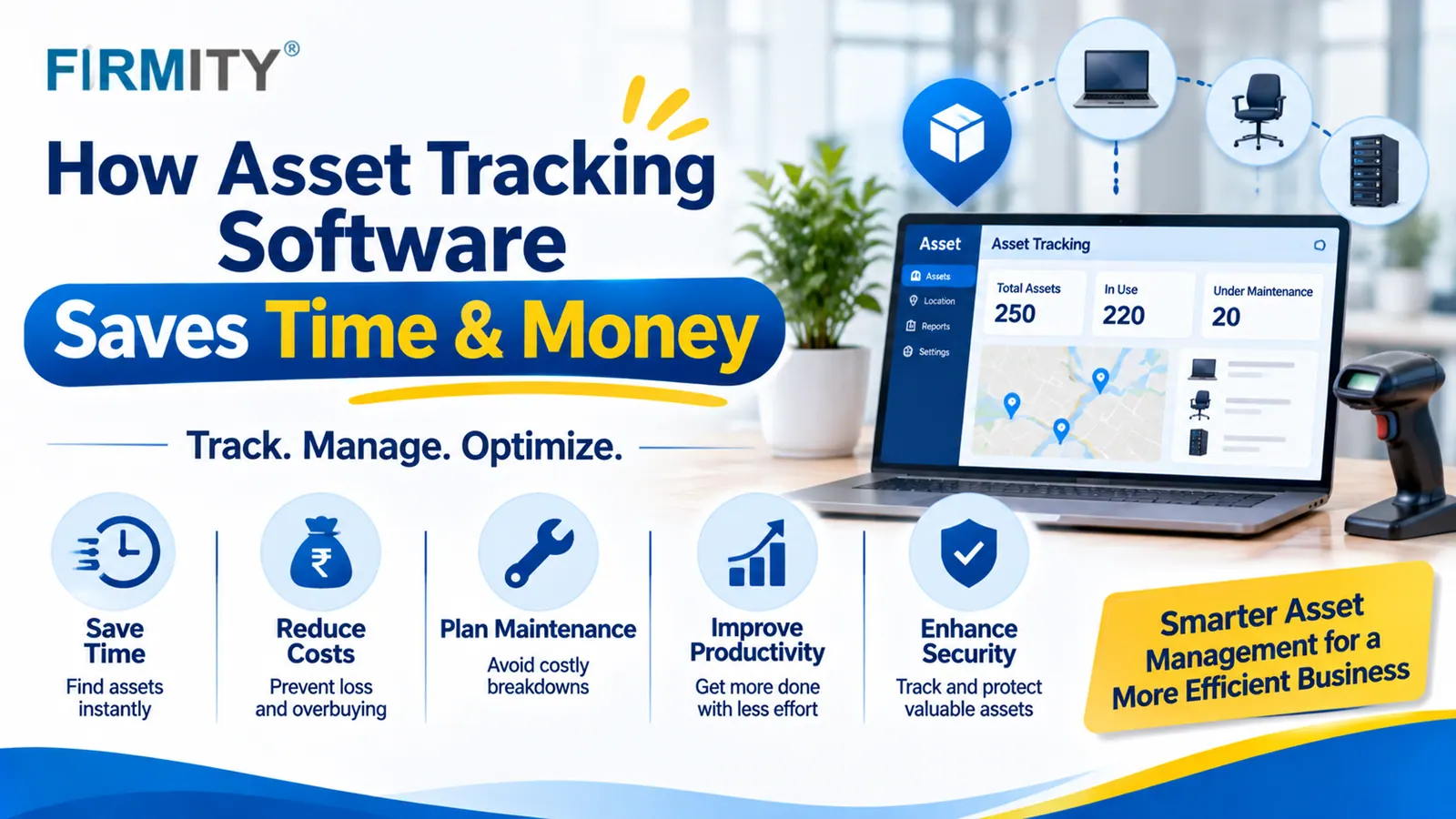
How asset management software saves time and money comes down to two things: it cuts the hours spent searching, checking and rebuilding records, and it cuts the cost of lost items, missed servicing and rushed repairs. You hunt less, and you pay for fewer avoidable problems.
Asset management software keeps one record for every item you own, which is why savings sit at the top of the list of benefits of asset management software. This short guide shows where the savings come from, with a small example for each, so you can judge whether it's worth it for your team.
Where Time Goes Without a System
Without a system, asset work is mostly hunting. Someone searches for a missing item, someone else updates a spreadsheet and a third person rebuilds an item's history when an auditor asks. None of it is difficult, but it repeats every week, and the hours quietly add up until nobody can say where the day went.
How the Software Saves Time
Each asset gets its own record, so the most common jobs get much quicker:
Faster lookup: scan a QR code and the record opens. Example: a technician finds a machine's history in seconds instead of minutes.
Automatic reminders: service and warranty dates prompt you. Example: nobody checks a calendar by hand.
Quicker audits: the history is already stored. Example: an auditor's question gets answered with one search.
Where Money Leaks Without a System
Money leaks in quieter ways. Teams buy a second item because they can't find the first, miss a service date and pay for an emergency repair, or let a warranty expire before using it. Each leak is small, but together they can add up to a lot over a year.
How the Software Saves Money
The savings come from catching those leaks early:
Fewer lost or duplicate purchases: a clear record shows what you already own.
Planned maintenance: scheduled preventive maintenance is usually calmer and cheaper than emergency repairs.
Warranty use: reminders help you claim before cover ends.
Better repair-or-replace calls: repair history shows when an asset costs more than it's worth.
Standards such as ISO 55000 center on getting real value from assets, and tidy records are what make that practical.
Curious How Much Time Your Own Records Would Save?
You can book a free demo and see your own kind of assets in Firmity. Tell the team what you manage today, and they'll reply within 24 hours.
A Simple Way to Measure the Savings
Pick a few numbers before you start: hours spent on audits and searches, items lost, emergency repairs and warranty claims missed. Check them again after a few months. We haven't quoted percentages, because results depend on where you begin, but even rough before-and-after figures tell a clear story.
Where Firmity Fits In
Firmity's asset tracking is an affordable option for teams that want these savings without a heavy enterprise system, and the team can quote for your setup. Each asset gets one record with its category, location, status, value and ownership type, and a QR code opens it with a scan. Service due dates, warranty and AMC expiry, movement history and linked spare parts are tracked too. Ask about regional needs during a demo.
Why Some Teams Don't See the Savings
The software is rarely the problem. Messy starting data, no clear owner and skipped training are the usual culprits. Clean your asset list first, give someone responsibility for keeping it current and show the team how it makes their own work easier.
Final Thoughts
So, how does asset management software save time and money? It replaces searching and guesswork with one reliable record. Start small, keep your data clean and measure a few numbers. If you'd like to see it with your own assets, you can book a free demo with the Firmity team.
FAQs : How Asset Management Software Saves Time & Money
By reducing lost and duplicate purchases, planning maintenance and tracking warranties, so repairs cost less.
Time savings, like faster lookups, often appear once your records are loaded. Money savings take longer, because they depend on habits changing.
It can be when several people handle assets or service dates keep slipping. With only a handful of items, a spreadsheet may do for now.
Author Bio

Syed Aadam
Syed Aadam is a software engineer with a Bachelor's and Master's in Information Technology with a specialization in Artificial Intelligence and Machine Learning. Having trained, and assisted in training foundational ML models for solving frontier scientific problems at the intersection of biodiversity and technology, Syed Aadam has been working to develop AI-enabled CMMS, ERP and CAFM softwares at Ufirm Technologies.